Smoke and CO Detector Installation Orange County
You can tell a lot about a home by the method it deals with the essentials. A strong roof, solid circuitry, peaceful plumbing, and working life security devices. In Orange County, where homes range from 1950s cottages in Orange and Garden Grove to new integrate in Irvine and Rancho Objective Viejo, I see two patterns over and over. Either the detectors are years old and yellowed from age, or a current remodel included elegant lighting and clever thermostats while neglecting the code that safeguards sleepers at 2 a.m. Smoke and carbon monoxide gas detectors are small, however they are not optional. They are the first line of defense when fire or a stopped working appliance turns a safe home dangerous within minutes.
I have actually replaced chirping systems at midnight for nervous parents. I have seen ceiling patches where a past owner eliminated a hardwired alarm and stuffed the wire into the drywall. I have unboxed brand new CO detectors still in the plastic on the laundry rack, set there throughout relocation in and never ever installed. The distinction in between a close call and a catastrophe often boils down to positioning and affiliation, and whether you invested an hour in a professional installation rather of guessing.
What code requires in Orange County
California follows the California Residential Code and Health And Wellness Code, with enforcement by your local city or county structure department. NFPA 72 supplies nationwide guidance for fire alarm positioning. Inspectors across Orange County cities are normally constant on these points:
-
Smoke alarms enter every sleeping space, outside each sleeping area, and on every level of a dwelling, consisting of split levels and ended up attics. For larger homes, corridors serving several bed rooms need coverage near to the bed rooms, not just at the stair.
-
Carbon monoxide alarms are required in all homes that have any fuel burning home appliance or a connected garage. This consists of natural gas furnaces and hot water heater, gas stoves, fireplaces, and, in practice, most Orange County homes and many condos. CO alarms need to lie outside sleeping areas and on every level. Mix smoke and CO systems can please both requirements if they are noted for that use and positioned correctly.
New construction and considerable remodels need hardwired, interconnected alarms with battery backup. Affiliation implies if one unit senses smoke, all units sound. For existing homes where fishing brand-new wire would be devastating or impractical, the majority of jurisdictions permit wireless interconnection utilizing listed systems. Battery only smoke alarms must be ten years sealed battery types under California guidelines. When you offer or lease, you are responsible for having right detectors in place, and numerous representatives will ask for a declaration of compliance.
There are exceptions and edge cases. I have retrofitted alarms in historic homes in San Juan Capistrano where we utilized cordless interconnected units to prevent troubling plaster ceilings. Some HOAs control changes in condo common area corridors, so the place immediately outside the unit door becomes critical. This is where a regional electrician near me Orange County search settles, due to the fact that a licensed electrician Orange County will know what the particular city inspector looks for.
How smoke and CO behave, and why placement matters
Smoke increases, then moves laterally along the ceiling, pooling against walls and down stairwells. Carbon monoxide gas combines with air, and due to temperature and air currents it can be discovered higher or lower in a room depending upon the source. That is why you see mixed guidance about height for CO detectors. The best response is simpler: follow the producer's directions for each gadget and location units where individuals sleep, pass, and hang out, not where hot air or drafts will misguide the sensor.
Photoelectric smoke alarm excel at smoldering fires, like a sofa cushion sparking from a candle. Ionization detectors respond faster to quick flaming fires, such as a kitchen grease flare. Lots of homes benefit from double sensor smoke detector, or an intentional mix of photoelectric in living and sleeping areas and a heat detector in the garage. For carbon monoxide gas, try to find UL 2034 noted systems or mix UL 217/2034 gadgets for double function. Smart choices tie into your phone, but they must still fulfill code for source of power and interconnection.
A concise placement list that passes inspection
- One smoke alarm inside every bedroom, and a second smoke detector in the corridor instantly outside sleeping areas.
- One smoke detector on every level, including basements and completed attics. For split levels without a door separation, one alarm on the upper part normally covers both, but I include one in the lower if the span is long.
- One carbon monoxide gas alarm outside each group of bed rooms and one on every level with a fuel burning appliance or a connected garage.
- Mount smoke alarms on the ceiling at least 4 inches from the closest wall, or on a wall 4 to 12 inches down from the ceiling. Keep both smoke and CO systems away from restrooms, within 3 feet of HVAC registers, and a minimum of 10 feet from cooking appliances to reduce nuisance trips.
- In garages, utilize a heat detector listed for garages, not a smoke alarm. The code deals with garages differently due to dust and exhaust.
These are general guidelines that a lot of Orange County electrical evaluation staff expect to see. Regional field conditions can alter the strategy. A high pitched ceiling in a Mission Viejo home might need an alarm at the peak instead of mid slope. A long corridor serving three bedrooms in Fountain Valley may need an additional hallway smoke alarm to please range limits and avoid dead air pockets. An experienced Orange County electrical contractor knows when positioning that looks "close sufficient" will get flagged.
Hardwired, battery, or both
When I assess a home, I look initially for a blank plate or an old hardwired base. If your home was constructed after the early 1990s in many Orange County cities, it likely had actually hardwired, interconnected alarms from the start. Throughout remodels, these in some cases get removed temporarily and never reconnected. In that case, we bring back the hardwire circuit, validate it is on a lighting branch circuit with permanent power, and update each place with a new alarm that has a sealed 10 year backup battery.
If there is no existing alarm electrical wiring and the attic or crawl space offers access, I frequently advise including a brand-new interconnect cable and setting up hardwired units. A modest single story home with attic gain access to can typically be brought up to modern-day interconnection standards in half a day. Two story homes without open chases after can be tougher. When fishing wire indicates opening ended up drywall https://shanernfx211.almoheet-travel.com/electrical-evaluation-orange-county-comprehensive-safety-checks or comprehensive plaster, we weigh the mess and drywall repair work versus using a noted cordless adjoin system. Lots of homeowners select cordless in corridors and bedrooms and hardwire where the attic access is simple, such as at the top of the stairs. The outcome still supplies entire home alert, which is the real point.
Battery just is a last resort for me, reserved for little condominiums with concrete ceilings or HOA limitations. California needs 10 year sealed battery smoke detector, so a minimum of you will not be climbing a ladder every six months to silence chirps. That stated, interconnected hardwired alarms outperform solo battery units for waking deep sleepers and children, and insurance coverage adjusters and inspectors both prefer them.
A sensible installation sequence
Most property owners think of detector installation as a 5 minute errand. For a professional, it is careful deal with real effects. Here is how an experienced residential electrician Orange County generally handles a retrofit:
- Verify scope, code, and existing conditions. Count bedrooms and levels, determine fuel burning devices and connected garages, look for existing hardwire cabling, and file attic access and insulation type.
- Confirm power source and affiliation. Trace existing alarm circuits to a breaker, test for appropriate voltage and neutral integrity, and strategy runs between systems. If cordless affiliation is the best course, pair and test devices before mounting.
- Mount boxes or bases with appropriate clearances. For hardwired systems, set up listed boxes or retrofit rings, secure cabling with appropriate staples and bushings, and terminate with wirenuts or maker harnesses. For battery only systems, mark heights, avoid dead air pockets near ceiling peaks, and predrill to prevent breaking plaster or lath.
- Label, test, and document. Smoke test if suitable, hold the test button enough time to activate full interconnection, confirm that each unit sounds in reaction to any other, and label the panel directory site with the circuit description. Take photos for your files and, if a permit is open, for the inspector.
- Walk through maintenance. Program the homeowner how to use the hush function, what a monthly test looks and seems like, and how to check out end of life chirps. Leave manuals in a labeled zip bag near the panel or in a kitchen area drawer.
On a simple job in Tustin, I finished a 3 bed room, 2 bath, single level home in about 3 hours. That included fishing one new interconnect cable through an available attic. A more complicated two story in Yorba Linda with slab on grade and restricted chase area took the majority of a day utilizing a mix of hardwired and wireless interconnected units.
Common mistakes I see during examinations and service calls
The most regular error is missing the bedroom requirement. Individuals position alarms in the corridor just, presuming that suffices. Modern code desires one in each sleeping room. The next mistake is height. Installing a smoke alarm on a wall 24 inches below the ceiling looks focused, but it misses out on the hot smoke layer. I also see CO detectors plugged into outlets a few inches off the floor behind a cabinet. That may please the concept of having a detector, however it does little for actual protection. Lastly, cooking areas overcome safeguarded. A smoke detector inside a cooking area nearly guarantees problem journeys on a busy cooking night. Put it outside the kitchen in the nearby corridor or fantastic room, not over the stove.
If you are including or moving systems and you discover old aluminum branch circuitry, aging cloth insulation, or blended neutrals in multi wire branch circuits, that is your cue to call a licensed electrician Orange County trusts. Electrical repairing Orange County service calls frequently begin with a "simple" detector task that uncovers splices in the attic buried under insulation or a tied together neutral that never ever ought to have been shared. Remedying those is part of doing the alarm job right.
How detectors suit the bigger electrical picture
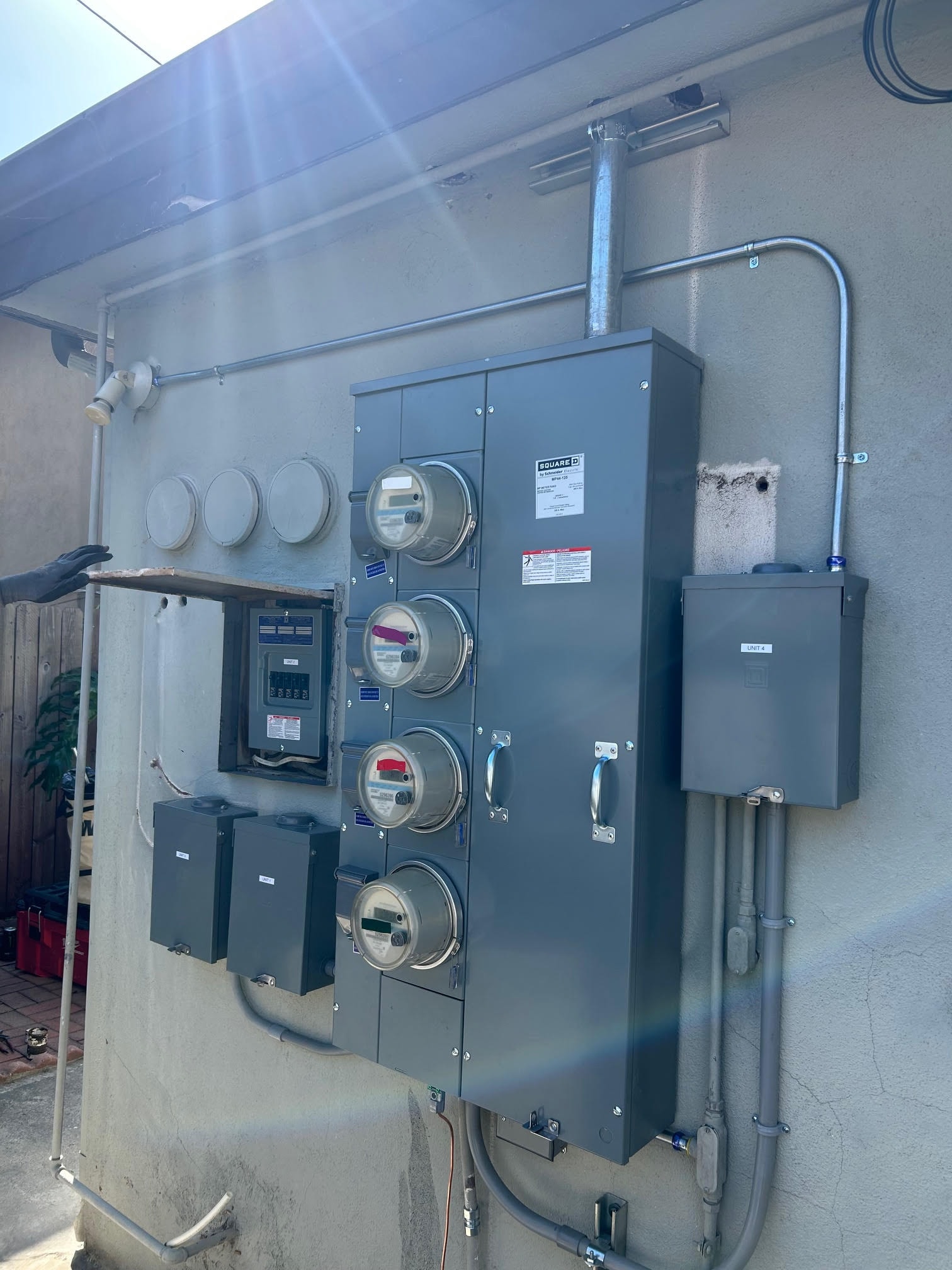
I like to utilize safety work as an opportunity to examine the health of the electrical system. Throughout a smoke and CO upgrade we may find a small panel that is at capability, or several tandem breakers on a bus that is not rated for them. That opens a discussion about an electrical panel upgrade Orange County house owners often require when they add a/c, a kitchen area remodel, or an EV battery charger installation Orange County is known for as more drivers go electric. Interconnected alarms are sensitive to problem tripping if the neutral is loose or shared improperly. Cleaning up those problems settles throughout the home's wiring.
For homeowners preparing wise home circuitry Orange County jobs, alarms can integrate with entire home platforms. Some clever detectors supply app notices and integrate with security systems. Others connect to low voltage wiring Orange County integrators run for central stations. Be cautious, though. A smoke alarm connected to a clever speaker is fine, but it does not change code required listed gadgets with appropriate power and interconnection. The smart layer is additive, not a substitute.
If you reside in a home with aluminum electrical wiring from the late 1960s, think of whole home rewiring Orange County electrical contractors provide while we are currently opening boxes for alarms. If you are already budgeting for lighting installation Orange County upgrades like recessed lighting Orange County house owners love, adding adjoin cables at the very same time can reduce labor. Ceiling fan installation Orange County services also create attic access moments that are perfect for including alarm circuitry without additional holes.
Maintenance rhythms that in fact work
Manufacturers suggest month-to-month tests. In the real life, many people handle quarterly. Put a repeating pointer on your phone for the first Saturday of the quarter. Press and hold the test button on each unit until all alarms noise, then release. Vacuum the detector face with a soft brush to remove dust. Dust can cause false alarms, particularly near restrooms where steam adds to the problem.
Replace smoke alarms at ten years or faster if the maker specifies. Many contemporary combination units likewise last 10 years, but older CO detectors suggested 5 to 7 years. Look at the label on the side of the system. It reveals a manufacture date, not just an install date. If there is a date from the 2010s, it is time. A best electrical expert Orange County client once asked why her "new" alarm stopped working early. It had been on a hardware store rack for several years before set up. Buy fresh or let your Orange County electrical contractor source devices with existing dates.
Keep spare 9 volt batteries only if you have tradition units, however many California installs now need sealed 10 year batteries in battery just alarms. Do not paint detectors. Do not disable them after a nuisance alarm and forget to re enable. If cooking sets one off often, we will adjust placement or swap in a photoelectric unit better suited to kitchen area adjacency.
When a chirp implies trouble, and when it is something else
Not every chirp is a dead battery. I have actually seen low voltage events on a shared branch cause hardwired alarms to peep every minute. A reversed line and load on a nearby GFCI once created simply adequate instability to annoy the alarms down the hall. Disturbance from a failing transformer in an old doorbell system caused a balanced buzz that the house owner mistook for a detector issue. If your alarms chirp even after a battery change and reset, or if numerous units chirp without a clear pattern, that is a great time to call an Orange County electrical repair professional to test the circuit and the adjoin. The repair might be as easy as tightening a wirenut in the attic or as involved as remedying a shared neutral on a multi wire branch with a deal with tie or more pole breaker.
Costs and reasonable timelines
Expect a range. For standard outlet installation Orange County jobs you may think in 10s of dollars per gadget. For detectors, quality matters and so does labor access. Since this year, a good quality noted smoke alarm runs 25 to 40 dollars retail, a mix smoke and CO alarm 45 to 80, and a smart interconnected unit 100 to 150. Labor for a swap at existing hardwired bases might be 25 to 50 per system when done as part of a bigger service call. Adding new hardwire runs with attic gain access to generally lands in the 150 to 300 per brand-new area range depending on distance, insulation, and soffits. Wireless interconnect capable battery systems cost more per gadget but minimize labor when walls are inaccessible. Entire home upgrades with 6 to ten units generally fit into a half day to complete day window.
Permits add time, and you should plan for them when we include brand-new circuitry or open boxes. Numerous Orange County cities allow over-the-counter or online electrical licenses for small work. Evaluations are normally fast. A very same day electrical expert Orange County property owner requires an emergency situation chirp in the middle of the night is not pulling a license for a battery swap, however if we are adding circuits or moving boxes, we prepare it right.
What commercial and multifamily homes need to consider
Commercial areas are a different world. A commercial electrician Orange County works with emergency alarm panels, pull stations, horn strobes, and supervising stations. Workplaces, dining establishments, and warehouses fall under different sections of code and typically require crafted drawings and third party monitoring. Home managers with small apartment buildings deal with a hybrid: private unit detectors plus common area systems. In those cases, I collaborate with a fire life safety professional for the common system while our team updates in unit gadgets. A generator installation Orange County company needs for backup power need to not beat life security circuits. Detectors remain on, even when loads are shed.
Why a certified, regional electrician is the right partner
You can purchase a detector at any huge box store. The value of hiring a local electrical expert Orange County homeowners trust originates from judgment. We understand which brand names hold up in seaside humidity near Newport Beach and which designs incorrect alarm from shower steam in Laguna Niguel. We understand where inspectors in Anaheim anticipate the hallway unit, and how Santa Ana's attic insulation rules affect our cabling options. A top rated electrician Orange County team will carry the right ladders, test gear for interconnect verification, and spares for the brackets and pigtails that constantly seem to go missing.
When picking, request a C 10 California professional license, evidence of insurance coverage, and references for comparable work. If you are integrating detector work with an electrical panel upgrade Orange County job, make certain the contractor balances the schedule so your home is not without power overnight. A budget friendly electrical expert Orange County house owners advise is not just the lowest quote, but the one who prevents call backs. The best electrical expert Orange County clients continue speed dial is the one who shows up when the garage heat detector trips on a Sunday and understands how to clear the fault effectively. If you search for electrician Orange County CA or electrician near me Orange County and discover a 24 hr electrical contractor Orange County listing, validate they manage life security calls and carry stock, not just cables and outlets.
A short story from the field
A household in Costa Mesa called after their brand-new infant arrived home to a house that peeped every 45 seconds. They had combination detectors in the bed rooms, but the corridor unit had been eliminated throughout a painting job. The painter tossed the old base, leaving two capped wires in the ceiling and a little circle of unpainted drywall. I traced the interconnect and discovered the power feed died at that missing unit, so the entire chain was technically down. We installed a new hardwired base, patched a ragged notch, and brought back interconnection. On test, the bedroom system failed to sound. It looked brand name new, however its manufacture date was over 9 years of ages. We changed it, combined a wireless system for the nursery where fishing a cable television would have needed cutting a custom wood ceiling, and checked once again. The whole task took about three hours and expense less than an expensive stroller. The parents slept well that night, and so did I.
Where detectors intersect with contemporary life
Orange County homes significantly add an electrical vehicle charger Orange County energies motivate. EVs are safe, however garages end up being more active electrical areas. That is another reason to utilize a heat detector in the garage and keep smoke detector out of that environment. Outdoor lighting Orange County homeowners install near bedrooms can create thermal plumes that affect draft patterns around soffits. We mind those details throughout placement. Recessed lighting Orange County remodels add to ceilings must maintain required clearances from detectors so trim rings and fixtures do not develop dead air pockets. Smart home gadgets can announce alarms across spaces, however nothing replaces a completely interconnected network of listed detectors.
Final recommendations that hold up over time
If you are upgrading detectors, buy interconnection and proper positioning rather than just switching faces. If you reside in a townhome or condominium, deal with your HOA early to prevent surprise restrictions. If you are already scheduling electrical examination or other work like panel replacement Orange County projects, bundle the detector task for efficiency. For rentals, document the install date and test outcomes, and hand occupants a one page guide on what to do if an alarm sounds or chirps. And if a system chirps at 2 a.m. Despite your finest upkeep, resist the desire to pull it down and forget it. That is what very same day electrical expert Orange County services are for.
Detectors are simple devices. They do not add resale sizzle like a pendant light or a brand-new faucet. What they add is time. Time to get up, collect your kids, and walk outdoors. Time to capture a cracked heat exchanger before it causes headaches that are not simply headaches. Done right, a smoke and CO system sits quietly for years, then does whatever you purchased it for in the couple of seconds that matter. That makes it the smartest upgrade in any Orange County home.